

Moving Rugs: Tips for Protection and Storage | Redondo Van & Storage
July 1, 2018

When you're preparing for a big move, you put a lot of attention toward packing delicate items like china, glassware, and priceless artwork. Many people can overlook special packing for items they don't consider to be as fragile. You walk on your rugs every day, but they also need special preparation before and during the moving process.
If you have to put rugs in temporary storage, you also need to take special precautions. Since one rug can represent a huge economic investment, and because some rugs are old with a rich history, you don't want anything to happen to them. Here's what you need to know about moving and storing rugs.
Cleaning
Rugs collect dirt and dust as they sit on your floor day in and day out. Even if you are fastidious about vacuuming and cleanliness, you'll want to have each rug professionally cleaned before the move. This keeps you from moving dirt to your new home, but it also helps to protect the rug.
When dirt gets ground down into the rug, it can weaken the fibers. Food, dust, and plant matter in rugs can also attract pests. For rugs made from natural fibers, pests can be a death sentence. A clean rug will fare much better in storage and in transit.
Rolling
Many people make the mistake of always rolling their rugs with the top side in. However, before rolling, you should find out if your rugs should be rolled in or out.
Some rugs with worn backing might not stand the stress of rolling with the pile inside because it stretches the backing. For delicate rugs, this stress can actually crack the backing or cause the rug to lose its shape. Also, when rolled this way, the rug might have difficulty lying flat again, as the curve of the backing can train the rug to curl up at the corners.
However, rugs in good condition can be rolled with the pile inward to help protect the pile from damage; usually, the foundation of the rug is stronger than the pile and can handle the stress.
Never fold or crease rugs, especially if they are finely woven or made from wool or other natural animal fibers, like goat hair. Linen and silk rugs should also never be folded. The deep creases in a fold can permanently alter the structure of the fibers, and your rug will never be the same again.
Securing
After the rug is rolled, you'll need to secure the rug so that it stays tightly furled. Most people think of using tape or shrink wrap, but neither is appropriate for a rug. With the pile facing out, tape can pull out fibers. Also, tape can leave behind a tacky residue on the rug itself, which is very difficult to remove. Shrink wrap can crush high-pile rugs.
Instead, use natural twine or even ribbons to tie up the rug. String is easy to secure and will cause no lasting damage to the carpet.
Protecting
Next, you need to make sure that your rug stays protected during transport and during any short-term storage. You want to keep your rug free of dust and debris, but the biggest thing you need to protect against is moisture, especially in a storage unit.
Never wrap rugs in plastic to protect them. Plastic traps moisture inside the rug and, in humid areas, makes the perfect breeding ground for mildew and mold. Many rugs stored in plastic cannot be restored because of mold and mildew damage.
Instead, use heavier paper to protect your rolled-up rug. If your rug is extremely delicate, you may even roll it up with light-weight tissue to prevent the layers from rubbing against each other as it is being moved, and you can get custom cardboard tubes for increased protection. You can secure the outer paper with tape or more twine.
Transporting
You should arrange for your rugs to lie flat during transport
with nothing piled on top of them. A carpet that is arranged to stand on one end crushes one side of the pile with the weight of the rest. Items on top of the rug can stress the backing and flatten the pile, causing creases in the rug when you unroll it.
Don't load long rugs over other items, such as furniture or box piles, leaving on end of the rug hanging without any support. You don't want the rug to fold or curve in the middle — it should be supported evenly.
Storing
Finally, if you aren't moving directly to your new home, or if you want to wait for enough floor space to roll out your rugs again, make sure they are properly stored. Rugs should be supported in storage, but don't lay them directly on the floor. Lay down a layer of paper if you don't have a long enough shelf to hold your rug.
Always get a temperature and moisture-controlled storage unit if you have delicate or antique rugs. Indoor facilities make pests less of a problem. Also, don't stack rugs on top of each other in storage — long-term crushing of a rolled rug can cause permanent damage. Make sure rugs are always stored out of direct sunlight to prevent uneven fading.
For more information on moving and storage, contact us at Redondo Van & Storage.
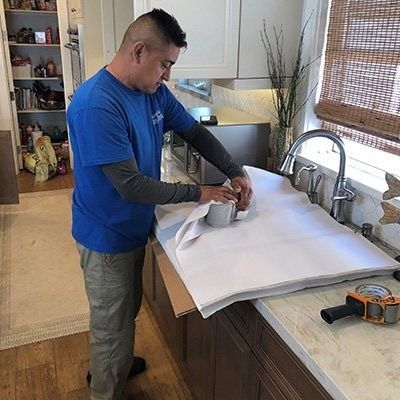
Some belongings just can't be tossed in a box with a handful of newspaper and called "packed." Grand pianos, fine art, antique furniture, wine collections, aquariums, and other specialty items need a different level of care — the kind that comes from decades of hands-on experience, not a YouTube tutorial the night before your move. At Redondo Van & Storage , we've been the trusted local moving company for Redondo Beach and the South Bay since 1919. Over more than a century in business, our team has packed, wrapped, and safely transported just about everything a home or business can own. Below, we're sharing our best tips for protecting specialty items — along with a reminder that when it's time to move, our residential moving company is only a phone call away. Why Specialty Items Need Special Attention Standard moving boxes and bubble wrap are great for dishes and books, but they fall short when it comes to items that are: Fragile or delicate — glassware, china, mirrors, and artwork Oddly shaped — chandeliers, lamps, sculptures, and musical instruments Heavy and awkward — pianos, safes, pool tables, and marble tabletops Sentimental or irreplaceable — family heirlooms, antiques, and collectibles High-value — jewelry, fine art, and electronics A single scratch, dent, or crack can turn an exciting move into a heartbreaking one. That's why our team treats every specialty item like it's the only one that matters — because to you, it is. Tips for Packing Specialty Items the Right Way 1. Use the Right Materials Cardboard and old towels won't cut it for your grandmother's china cabinet. Specialty items call for specialty supplies: foam padding, corner protectors, custom crates, moving blankets, and acid-free packing paper for artwork and photographs. These materials cushion against shock and prevent scratches, moisture damage, and shifting during transport. 2. Disassemble When Possible Large or complex items — think bed frames, dining tables, or electronics with detachable cords — travel much more safely when broken down into smaller pieces. Keep hardware bagged and labeled so reassembly at your new home is quick and painless. 3. Wrap in Layers Fragile and valuable items benefit from a layered approach: a soft inner layer (packing paper or foam) to prevent surface scratches, followed by a cushioning layer (bubble wrap or blankets) to absorb shock, and finally a sturdy outer layer (a well-built box or crate) to protect against pressure and impact. 4. Label Everything Clearly "Fragile" isn't enough on its own. Note which side is up, whether an item is climate-sensitive, and which room it belongs in at your new home. Clear labeling helps movers handle each piece appropriately from the truck to your front door. 5. Consider Custom Crating for High-Value Pieces Some items — fine art, marble statues, antique mirrors, and musical instruments — deserve custom-built wooden crates designed to their exact dimensions. This is where an experienced residential moving company makes all the difference. Our team can build and fit crates specifically for your most valuable belongings before moving day even begins. 6. Don't Forget Climate and Timing Certain specialty items, like wine collections, electronics, and wood furniture, are sensitive to temperature and humidity. If your move involves a stop in storage , make sure the facility can accommodate any special climate needs before your items arrive. Leave It to the Professionals Packing specialty items is one of those tasks that looks simple until you're staring down a 500-pound safe or a chandelier with more crystal pieces than you can count. Our full-service packing team has spent generations perfecting the art of wrapping, crating, loading, and unloading items of every shape, size, and value. Whether you're a homeowner in Redondo Beach or searching for a trusted moving company Rolling Hills Estates CA families rely on, our movers Rolling Hills Estates CA and throughout the South Bay bring the same white-glove care to every job — from a single antique dresser to a full estate. Why Choose Redondo Van & Storage Over 100 years of experience serving the Redondo Beach and South Bay community Voted South Bay's Best Moving Company six years running Recognized by USA Today as one of America's Best Moving Companies Full-service packing, wrapping, crating, and storage solutions Locally owned and operated — we treat your belongings like our own As a trusted local moving company and residential moving services provider, we know that specialty items deserve specialty care. Don't risk damaging your most valuable belongings with a rushed packing job — let our experienced team handle it from start to finish. Ready to move? Call Redondo Van & Storage today at (310) 376-7919 or request a free quote online for expert packing, wrapping, and moving services in Redondo Beach, Rolling Hills Estates, and throughout the South Bay.
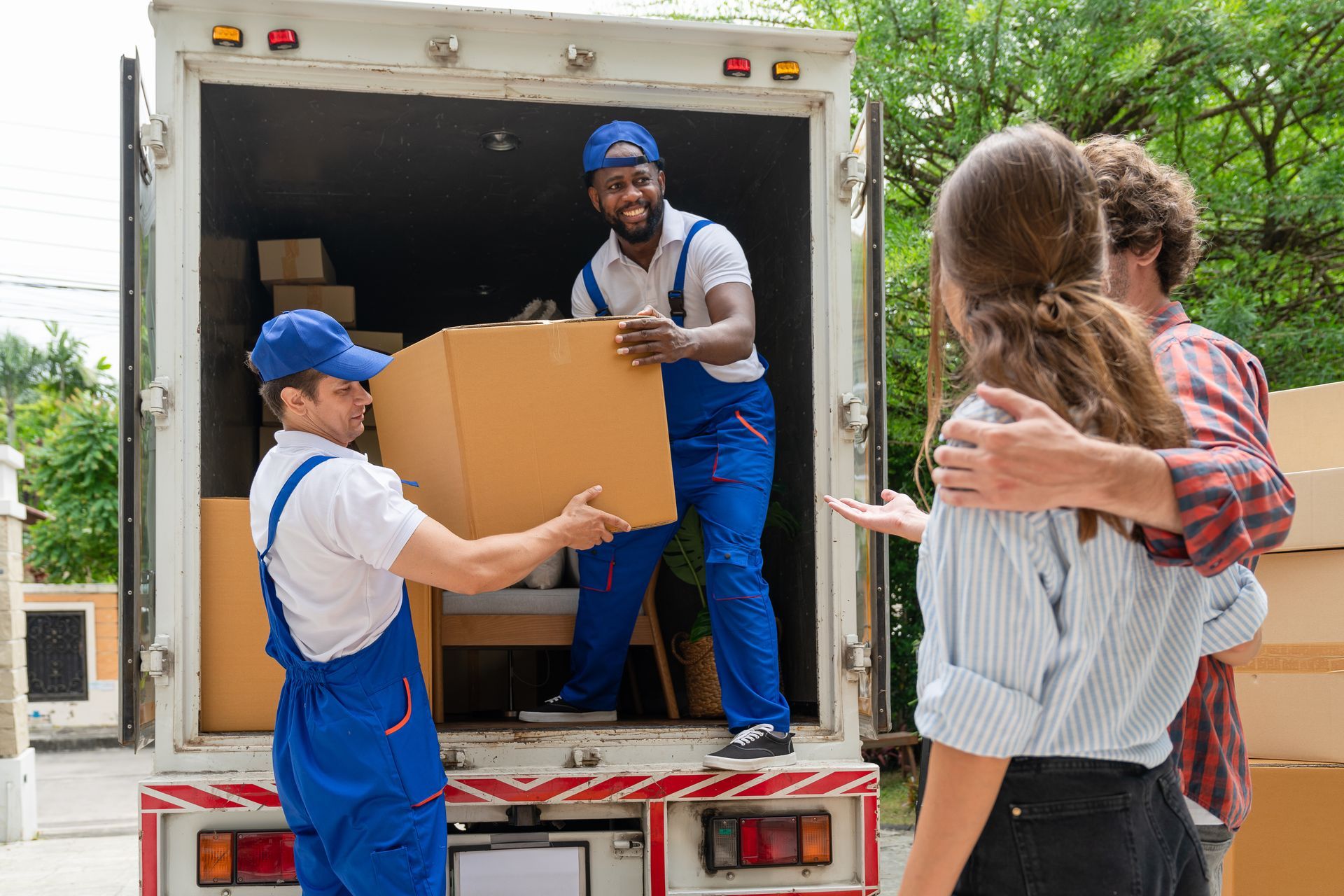
Find a licensed moving company serving Rolling Hills Estates, CA. Redondo Van & Storage offers verified credentials, local expertise, and a free quote. Call today.

Hiring a professional moving company in Rancho Palos Verdes, CA? Redondo Van & Storage knows the terrain. Get licensed, insured movers. Request a free quote today.
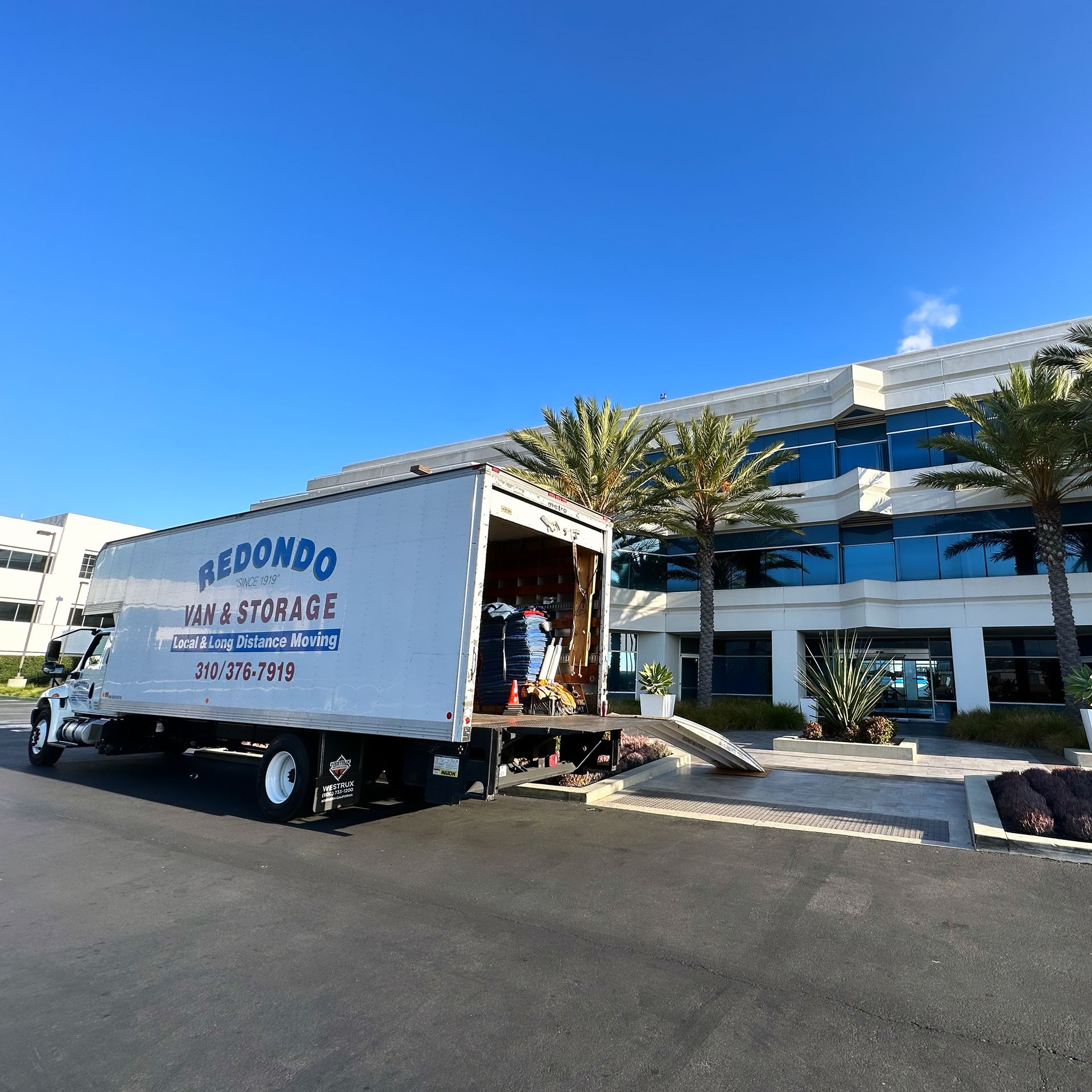
Get tips for business movers in Manhattan Beach, CA, with Redondo Van & Storage. Discover how to make your commercial move smooth. Click here to learn more!

Make your move stress-free with expert residential movers. Get a quote today! Rancho Palos Verdes, CA.
Find expert movers for a stress-free relocation. Get a quote today! Torrance, CA.
Reduce stress & ensure safe transport with professional movers. Get a quote today! Redondo Beach, CA.
Get expert moving tips for a smooth relocation. Call (310) 376-7919 for help today! Torrance, CA.
Trust Redondo Van for seamless residential moving & secure storage. Get a quote today! Manhattan Beach, CA.
Trust Redondo Van & Storage for luxury home moves. Get a quote today for stress-free relocation in Manhattan Beach, CA.
